News and Events
What We Do
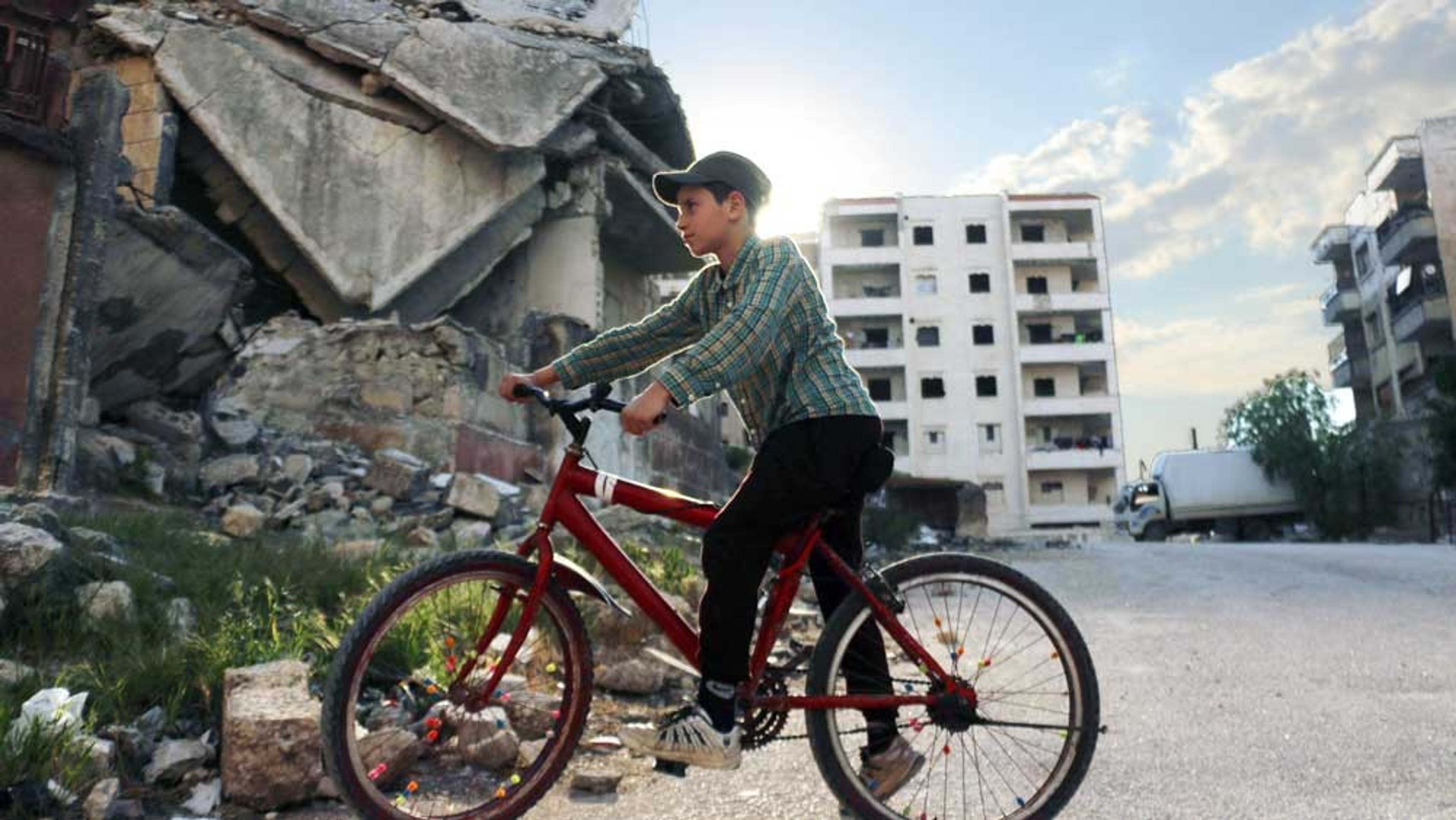
Delivering global education
Our approach? Offer students and scholars more than a classroom. Offer them the world. For a learning experience that’s not only more engaging but also life-changing.
Supporting transformative research
We support research that moves the needle — provoking paradigm shifts and breathing new perspectives into tough debates.

Mapping innovations to challenges
We bring a deep understanding of our shared challenges, generating innovative, far-reaching, long-lasting solutions.
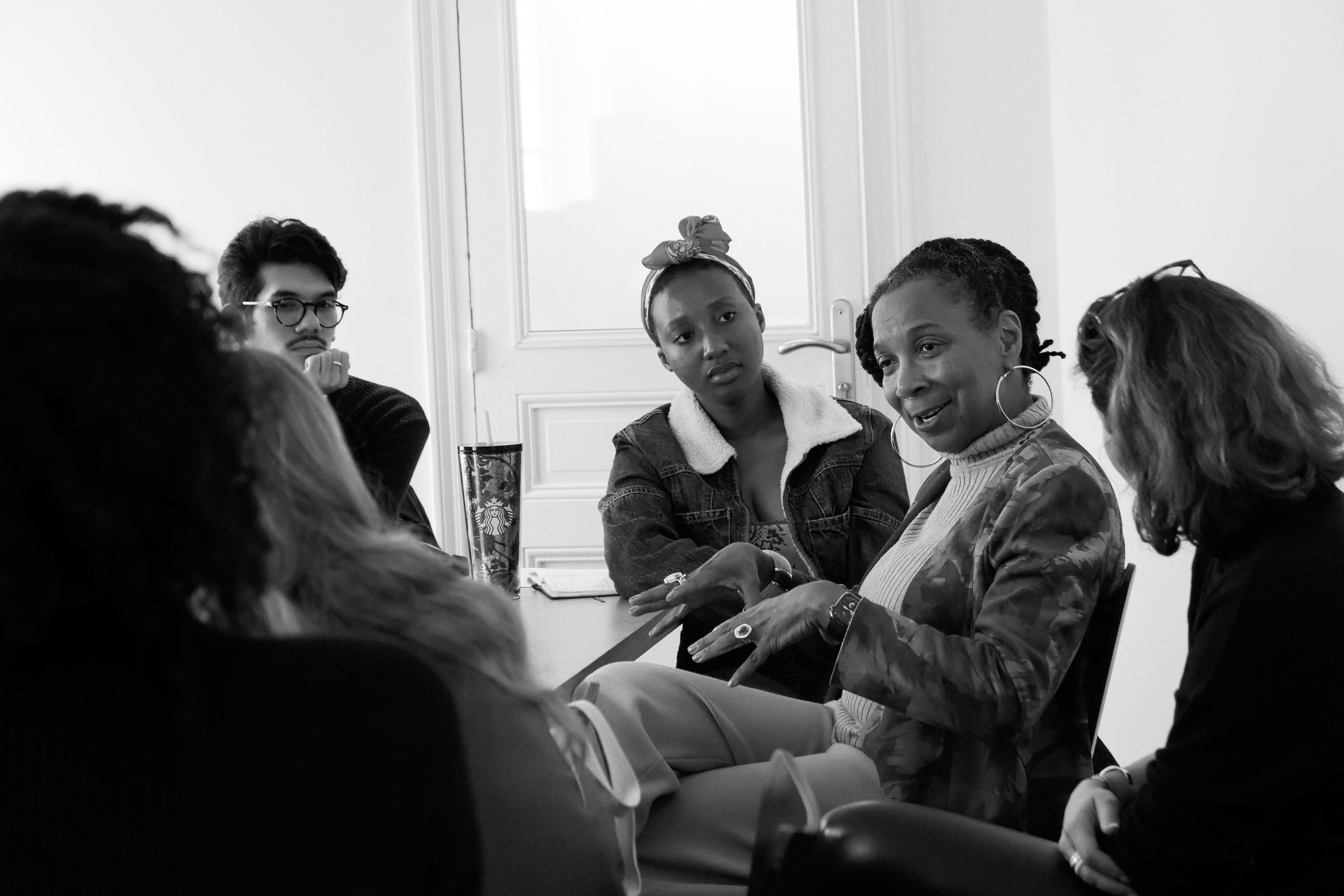
Convening novel conversations
We bring unanswered questions to the table for dialogue that fosters understanding across cultures, boundaries, and disciplines — the only way, we think, to spark innovation.
Columbia Global includesfour global initiativesat Columbia University.
Where the university and the world intersect, fostering innovation, understanding, and engagement in 11 global cities (and beyond).
Where thinkers and doers come together with partners to tackle some of the world’s biggest challenges.
Where a community of distinguished faculty pushes boundaries, thinking beyond borders to tackle humanity’s most intractable problems.
Where scholars join forces with accomplished artists, writers, and creative thinkers to foster intellectual and creative discovery.
Our Work

Offering global experiential learning opportunities
The problem
Students in health professions face limited access to global opportunities, hindering their exposure to diverse health systems and care models.
Our response
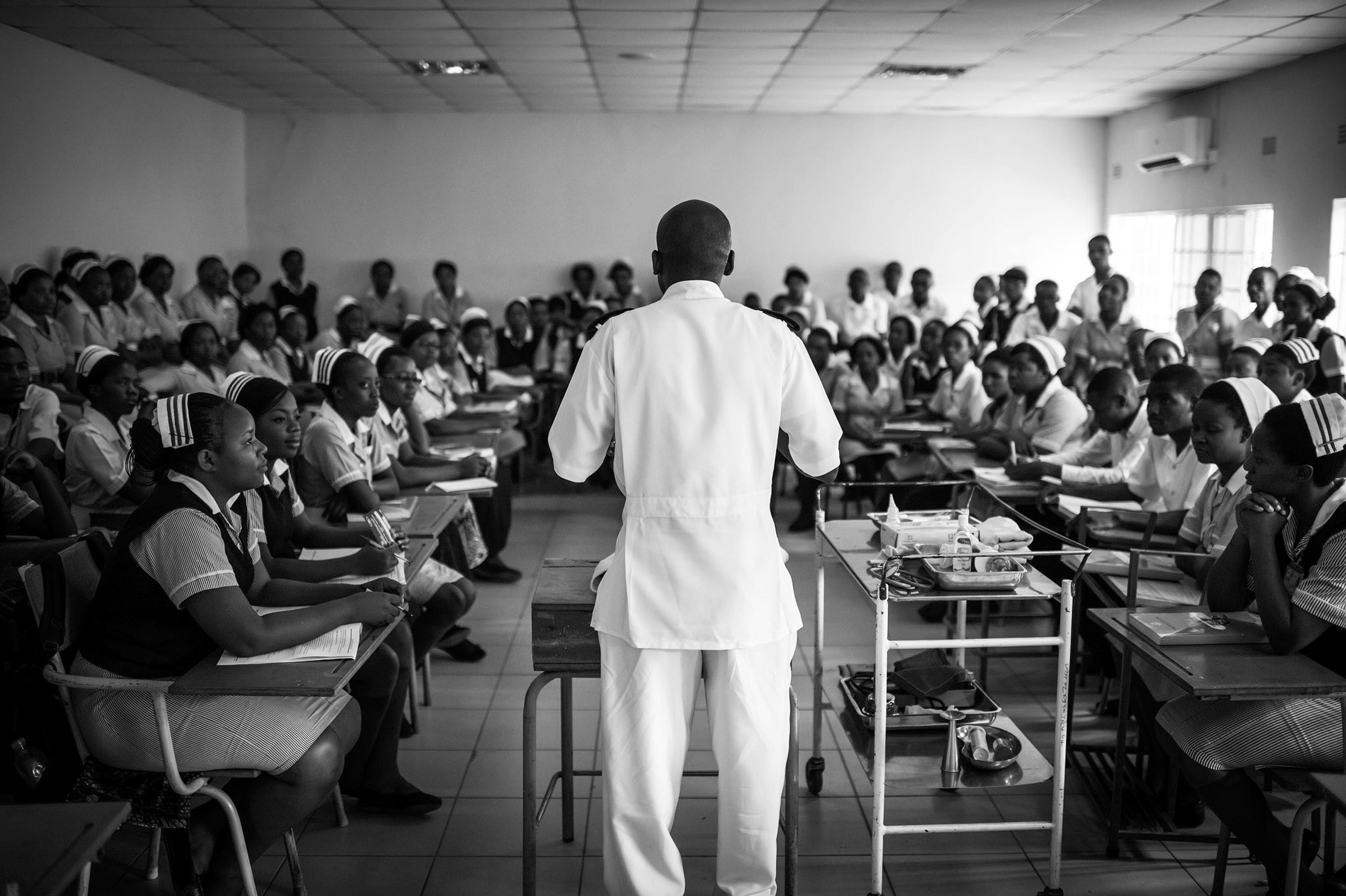
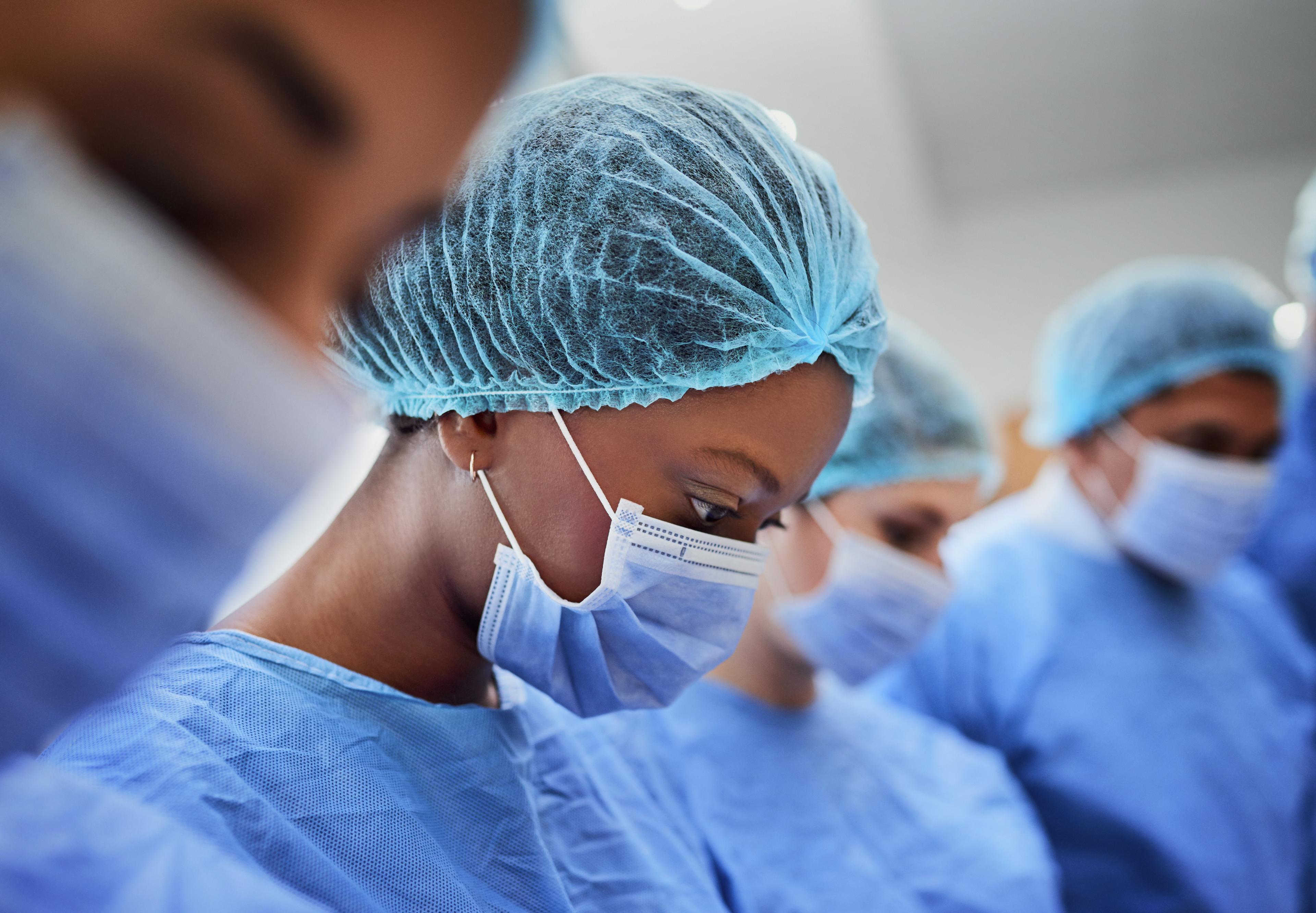
A six-week practicum at health facilities for nursing students in India, Jordan, China, and Kenya to gain invaluable knowledge, clinical experience and skills.
Who
Columbia Global Centers, Columbia University School of Nursing
Addressing challenges with global thinking
The problem
The interconnected, ever-changing world requires scholars who embrace open-ended and diverse approaches to considering and tackling global challenges.
Our response
The Masters in Global Thought Program enables students to ask critical questions rather than offer prescriptive answers to global challenges, thinking across disciplines while receiving a foundation in global governance, political economy, and culture.
Who
The Committee on Global Thought
Creating an immersive global educational experience for students
The problem
An effective global education requires immersive experiences, and learning from local experts who encourage new thinking and learning.
Our response
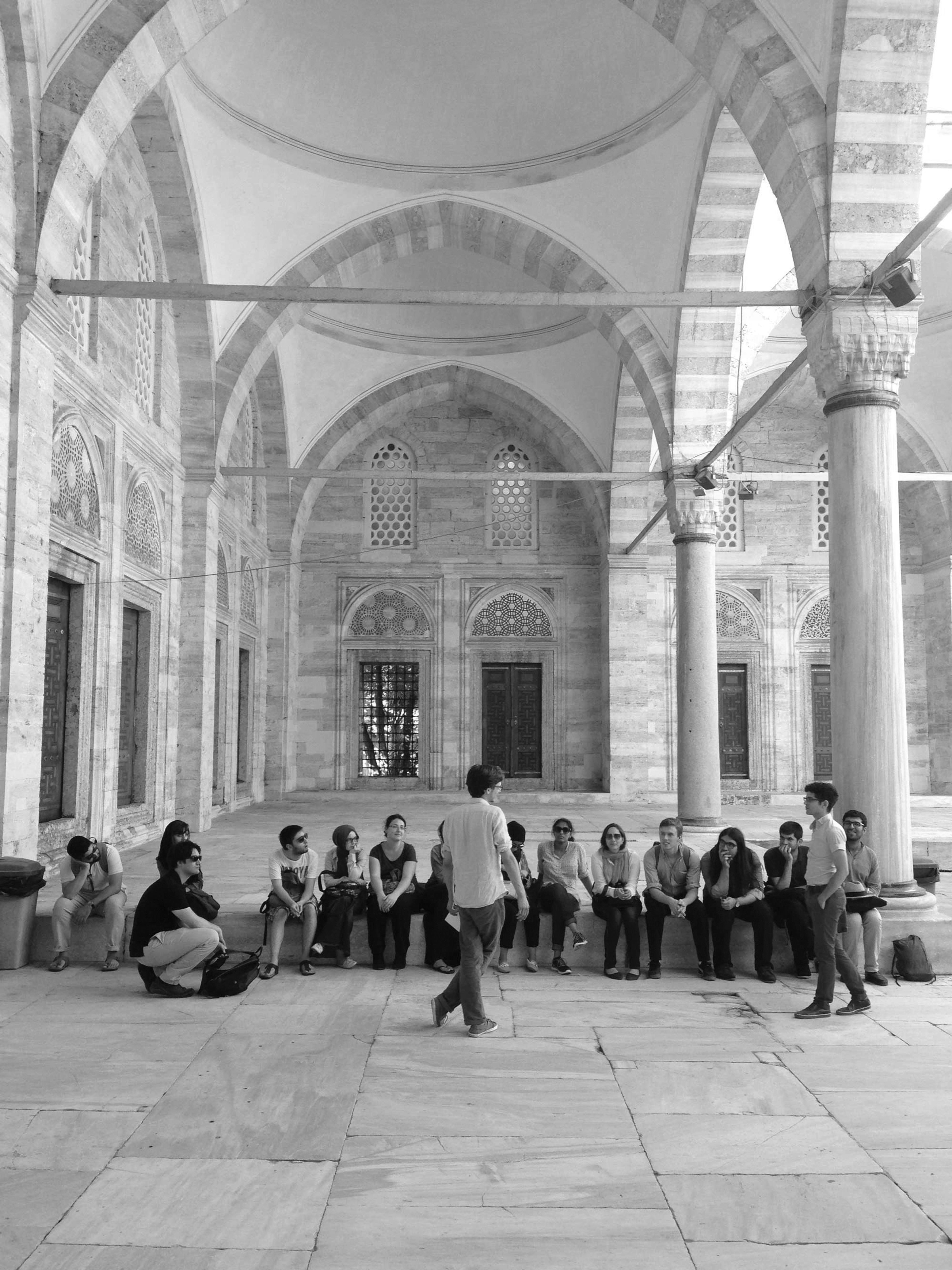
Mentored internships, practicums, academic programs for undergraduate and graduate students, residencies, seminars, and workshops with distinguished Columbia and local faculty.
Who
Columbia Global Center Paris, Columbia College, Graduate School of Arts and Sciences, Graduate School of Architecture, Planning and Preservation, French institutional partners

Bridging the gap for scholarship interrupted
The problem
More than 117 million people were forcibly displaced in 2023, among them early-career scholars in the humanities whose access to educational opportunities, resources, and networks is disrupted.
Our response
Support to displaced scholars to continue their work, strengthen their research skills, and expand their professional networks while based in their host country.
Who
Columbia Global Centers in Amman, Nairobi, and Santiago
Providing displaced students an opportunity to continue their studies
The problem
Students forcibly displaced from their home countries face significant challenges in pursuing their education, hindering their ability to rebuild their lives, pursue meaningful careers, and contribute to their communities.
Our response
The scholarship for displaced students offers a Columbia education, while embracing what such students offer to the Columbia community.
Who
Columbia Global, and the following schools at Columbia University: Architecture, Planning and Preservation; Arts; Arts and Sciences; Business; Climate; Engineering and Applied Science; International and Public Affairs; Journalism; Law; Professional Studies; Public Health; Social Work; Teachers College; Vagelos College of Physicians and Surgeons

Advancing the work of emerging social impact leaders
The problem
Emerging leaders require new knowledge, mentorship, networks, and resources to advance their efforts in addressing local, regional, and global challenges.
Our response
The Obama Foundation Scholars Program at Columbia University offers immersive education, mentorship, and skills-development opportunities to equip emerging leaders with the tools to accelerate their impact.
Who
Columbia World Projects, Obama Foundation
Nurturing the next generation of impact leaders
The problem
There are limited opportunities for undergraduate students to explore their interests in tackling complex societal challenges.
Our response
A year-long social impact fellowship for rising juniors and seniors that focuses on skills-building, site visits, and conversations with social impact leaders.
Who
Columbia World Projects, Columbia University, and Barnard College undergraduate students
Supporting women in leadership for social change
The problem
Women across the world face a dearth of executive and leadership training programs, reducing their ability to grow professionally and overcome gender discrimination.
Our response
Offer strategic training, workshops, networking, and mentorship to diverse women leaders from Brazil, which empowers them to address systemic social challenges in their communities.
Who
Columbia Global Center Rio de Janeiro
Supporting early career faculty to advance their scholarship and transform research into action
The problem
Early career faculty need access to training and resources to design and implement effective solutions that have the potential for societal impact.
Our response
Provide training, seed funding, and technical assistance over a two-year period to advance innovative ideas from faculty that can impact societies.
Who
Columbia World Projects

Addressing today’s climate crisis for tomorrow
The problem
The accelerating climate crisis poses an enormous threat to Brazil, impacting health, livelihoods, and economic growth, especially among vulnerable populations.
Our response
The Climate Hub at the Columbia Global Center Rio de Janeiro that works with civil society, public institutions, and the private sector in Brazil to deepen collaborative, climate-related initiatives, research, and dialogue.
Who
The Columbia Global Center Rio de Janeiro, Mayor's Office in Rio, public, private, and civil society institutions
Transforming indoor pollution to maintain health and well-being
The problem
Nearly three billion people around the world use traditional cookstoves and fuels, resulting in indoor pollution that causes an estimated four million preventable deaths per year.
Our response
The comprehensive, clean cooking technology project in Ghana uses behavioral and economic strategies to promote clean cooking practices, deploy clean technologies, and address infrastructure and regulatory barriers.
Who
Columbia World Projects, Columbia Mailman School of Public Health, Lamont-Doherty Earth Observatory, University of California, Berkeley, University of California, Santa Barbara, Kintampo Health Research Centre in Ghana, Clean Cooking Alliance
Adapting agriculture to climate today, for tomorrow
The problem
Climate variability threatens health, food security, and agricultural sustainability of communities around the world. There is an urgent need for state-of-the-art forecasts, timely and quality climate information, and decision-making tools.
Our response
Partnership with governments, non-governmental organizations, research institutions, and universities in Bangladesh, Colombia, Ethiopia, Guatemala, Senegal, and Vietnam to develop climate products and advisory systems that inform agricultural decisions.
Who
Columbia World Projects, Columbia Climate School’s International Research Institute for Climate and Society
Protecting climate-vulnerable communities in the Dominican Republic
The problem
Global climate change and extreme weather events have highlighted the urgent need to build community resilience and sustainability.
Our response
Develop a blueprint for a community resilience center to enable a vulnerable community in Santo Domingo to prepare for and respond to climate emergencies.
Who
Columbia World Projects, Columbia Graduate School of Architecture, Planning and Preservation, Mailman School of Public Health, the Instituto Tecnológico de Santo Domingo, Office of the Mayor of Santo Domingo, and Universidad Iberoamericana

Ensuring children have a thriving future
The problem
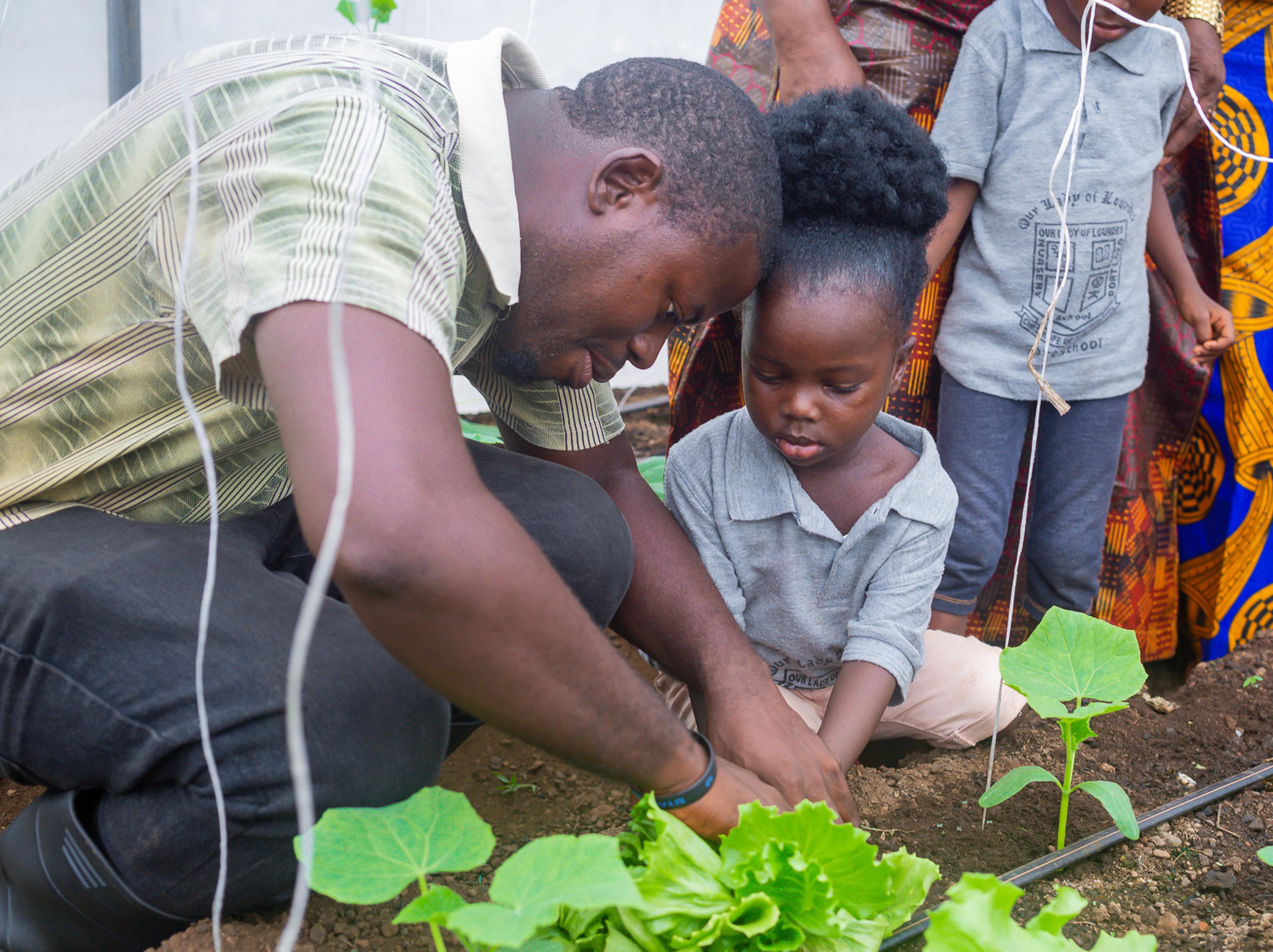
Children in Sierra Leone face significant health and educational challenges, leading to disproportionately high morbidity and mortality rates.
Our response
Develop and evaluate wraparound health services for children two to six years old and their families through a preschool-based health unit and teaching garden.
Who
Columbia World Projects, ICAP, Columbia Graduate School of Architecture, Planning and Preservation, Government of Sierra Leone
Focusing on policies to advance the health and well-being of postpartum women
The problem
In the U.S., one in three maternal deaths occurs within one year of delivery and more than half of these deaths are preventable.
Our response
Support a large-scale, multi-state survey on postpartum health designed and conducted to inform policy and reduce maternal mortality.
Who
Columbia World Projects, Cornell University, and health departments in New York State, Kansas, Michigan, New Jersey, Pennsylvania, Virginia, and Utah
Understanding how debt contributes to societal inequality and political instability
The problem
Rising debt in contemporary societies leads to systemic failures, instability, growing inequality, and increased uncertainty for debtors.
Our response
Examine debt dependencies and interdependencies and how they shape economic inequality and political tensions within and between countries.
Who
The Committee on Global Thought

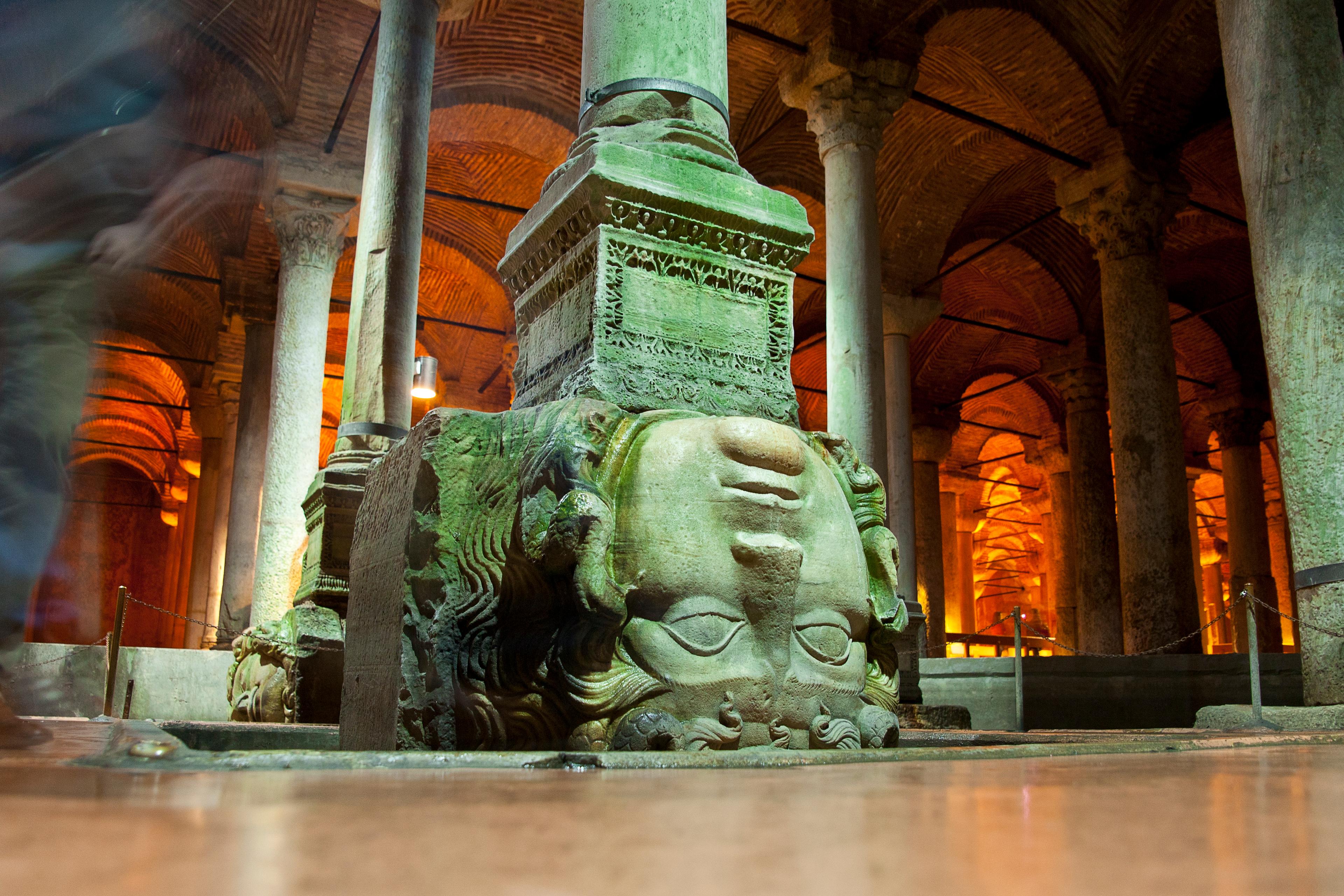
Preserving Istanbul’s history with digital mapping and access
The problem
Cultural and historical sites of significance in Istanbul lack a comprehensive digital platform for scholarly study and public access.
Our reponse
Create an open-access digital platform to showcase Istanbul's historical monuments and include high-resolution media, virtual tours, maps, with detailed descriptions.
Who
Columbia Global Center Istanbul, The Istanbul Research Institute, Archaeological Museum in Istanbul
Developing emergency response conservation for Middle East heritage
The problem
Regional conflict and disrupted training threaten the preservation of cultural heritage in the Middle East.
Our response
A series of regional workshops between U.S., European, and Australian museum specialists and conservators from Iraq, Libya, and Jordan to advance the learning on how to document and preserve collections, heritage architecture, and monuments.
Who
Columbia Global Center Amman, Metropolitan Museum of Art
Uncovering the long-term impact of nuclear testing
The problem
There is little awareness and appreciation in the West of the enduring impacts of nuclear weapons testing in regions like French Polynesia and the Marshall Islands.
Our response
Engaging faculty and students in investigating the effects of nuclear weapons testing and their long-term consequences for affected people and ecosystems.
Who
Institute for Ideas and Imagination Fellow Emlyn Hughes, K=1 Project at the Center for Nuclear Studies

Seeking wastewater solutions in rural Alabama
The problem
America’s water and wastewater infrastructure is aging. In some communities, it is either absent or failing.
Our response
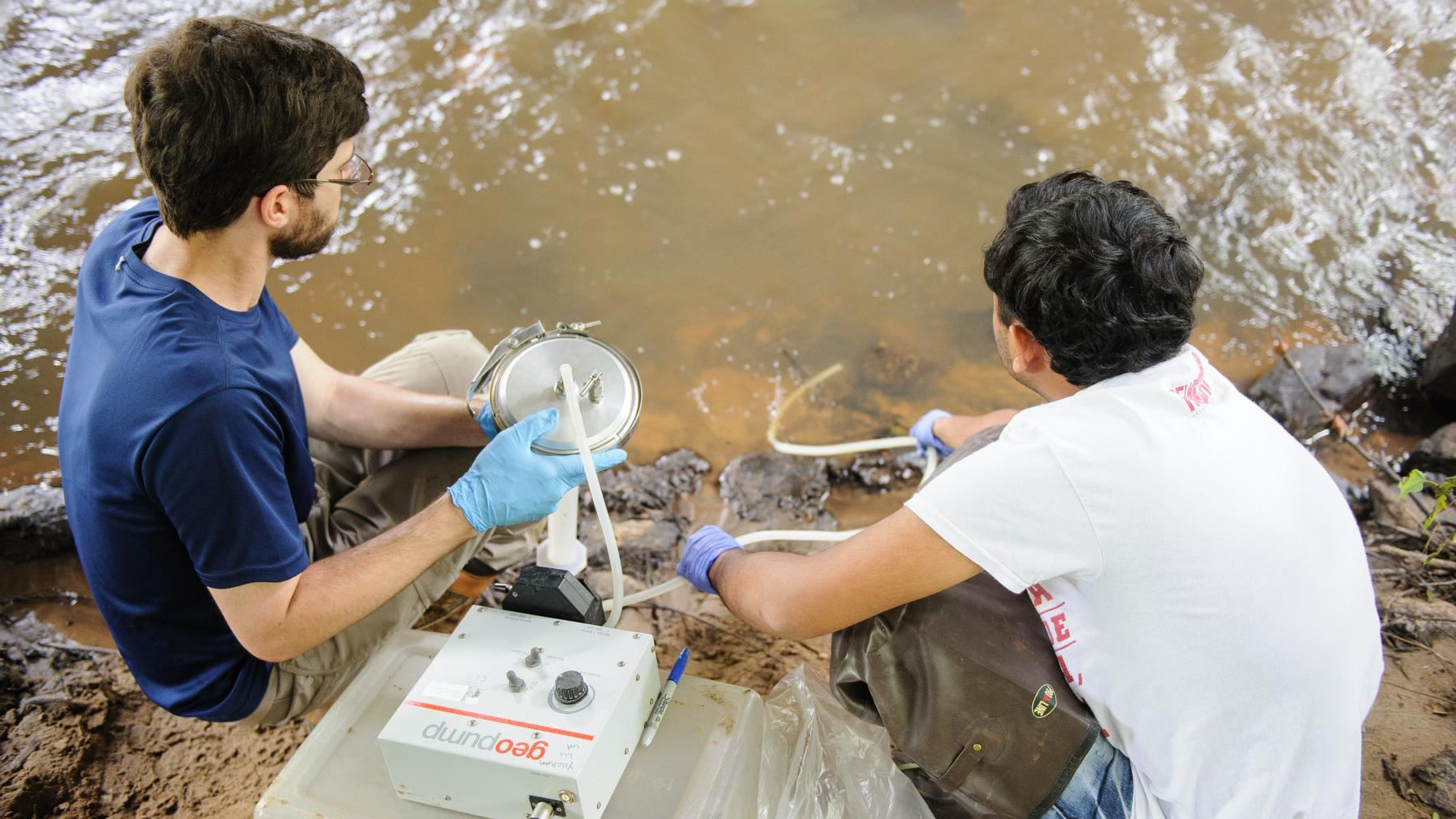
Demonstrate a cost-effective, decentralized wastewater solution, with tools (e.g. needs mapping, models) to enable communities to design solutions, guide public funding distribution, and help improve national infrastructure.
Who
Columbia World Projects, Columbia School of Engineering, University of Alabama, Arizona State University, University of North Carolina, University of South Alabama, Black Belt Community Foundation, Consortium for Alabama Rural Water and Wastewater
Accessing energy data to advance economic progress
The problem
More than 800 million people worldwide do not have reliable access to electricity, which is a critical barrier to economic opportunity and food security.
Our response
A scalable, evidence-based model using satellite technology, field surveys, and consumer surveys to generate actionable data for new energy investments across Uganda.
Who
Columbia World Projects, Columbia School of Engineering, Government of Uganda
Balancing digital platforms and democratic integrity
The problem
A few large firms control the major technology platforms — limiting democratic discourse, healthy financial markets, the free flow of information, and meaningful social interactions.
Our response
An initiative to foster regulation of digital platforms through networks of policymakers, regulators, and researchers in the U.S., Europe, and the Global South.
Who
Columbia World Projects, Centre for Digital Governance at the Hertie School in Berlin, global stakeholders and institutions, John S. and James L. Knight Foundation
Rethinking work, labor, and equity
The problem
Power, inequality, and uncertainty hinder effective collective labor action and the adaptation of labor movements, creating an uncertain future for labor movements in the U.S. and elsewhere.
Our response
Inquiry into the forces that shape labor markets and movements to inform policies and strategies to create more equitable and sustainable global labor practices.
Who
The Center for Political Economy at Columbia World Projects, global stakeholders in labor, government, education, and civil society

Supporting a resilient global press
The problem
Journalists play a crucial role in the success of democracy worldwide by providing accurate information and accountability. However, many have limited access to resources or necessary technical training to fulfill this mandate.
Our response
Identify the knowledge and skills most relevant to journalists and provide information, training, networking, opportunities for dialogue, and a supportive community.
Who
Columbia Global Centers in Paris, Amman, Santiago, and Istanbul, Forbidden Stories, Le Monde, DART Center for Journalism and Trauma
Showcasing global writers to regional audiences
The problem
There are too few public-facing opportunities for international authors to share their perspectives and storytelling, and to engage in thoughtful dialogue around their work.
Our response
Host book talks in a variety of international settings around curated themes and select authors.
Who
Global Centers in Amman, Beijing, Istanbul, Mumbai, Nairobi, Paris, Santiago, and Tunis, the Institute for Ideas and Imagination, The American Library in Paris
Columbia Global is whereconversations start,ideas are shared, andwhere thinking meets doing.

Thinking Doing
Columbia Global